Air source heat pumps (ASHPs) have become a major talking point in recent years. Opinions may differ, but one thing is clear: more businesses are installing them, especially in the leisure industry.
Government grants and rising energy prices have played a big part in this shift, helping leisure operators move away from older gas boiler systems and towards more energy-efficient heating.
Leisure centres, gyms and sports facilities use large amounts of energy every day. Heating, cooling and hot water all add to running costs, so operators are always looking for ways to improve efficiency and reduce expenses. ASHPs are becoming a popular solution because they can handle all of these needs in one system.
Lower running costs and better efficiency
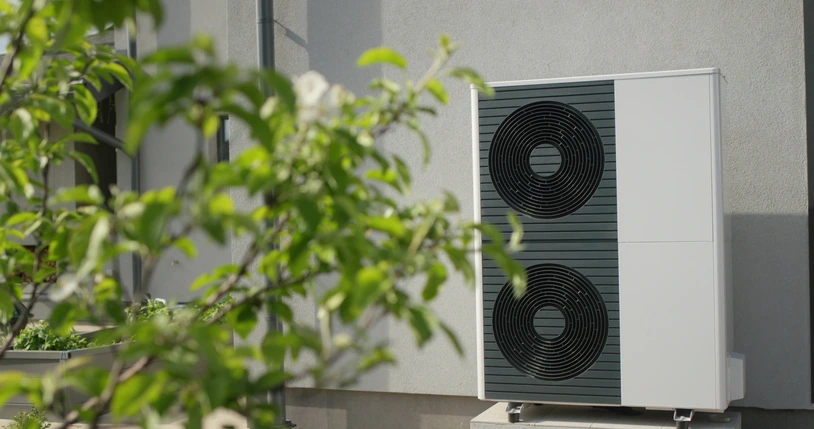
One of the biggest advantages of ASHPs is efficiency. Unlike gas boilers, which create heat by burning fuel, heat pumps transfer heat from outside air into the building. Because of this, they use far less energy.
In many cases, ASHPs can produce 3 to 5kW of heat for every 1kW of electricity used, making them around three to four times more efficient than traditional gas boilers. This can lead to significant long-term savings on energy bills, which is especially important for leisure facilities with high energy demands.
Modern gas boilers are usually around 90% efficient, while heat pumps can achieve efficiency levels of 300% to 400%. Some systems can even cool one part of a building while using the recovered heat to warm another area, making them even more efficient.
Another benefit is flexibility. ASHPs can provide heating, cooling and hot water at the same time, removing the need for separate HVAC systems. They can also work alongside solar panels to reduce carbon emissions even further.
Supporting sustainability goals
Sustainability is another major reason for the growth in ASHP installations. The leisure industry faces increasing pressure to reduce carbon emissions and meet government decarbonisation targets. Replacing outdated gas systems with low-carbon alternatives helps businesses improve their environmental performance while also preparing for future regulations.
Modern heat pumps are designed to meet current sustainability standards and future environmental requirements, meaning businesses are less likely to face expensive upgrades later on.
Why leisure facilities are ideal for ASHPs
Leisure complexes are particularly well suited to heat pumps. The systems help regulate humidity levels by circulating and refreshing air, creating a more comfortable environment for visitors and staff.
Lower humidity can also help reduce the growth of mould and bacteria, improving hygiene across the facility. Many ASHP systems also include air filtration, reducing airborne particles such as dust and pollen. This can improve air quality inside gyms, studios, changing rooms and sports halls.
Government grants and funding
Government support has helped speed up adoption across the industry. The UK government’s Public Sector Decarbonisation Scheme offers grants to public sector organisations, including leisure centres, to help fund energy-efficient upgrades and low-carbon heating systems. The aim is to reduce emissions from public buildings by 75% by 2037.
For private leisure businesses, the Boiler Upgrade Scheme can provide upfront grants of up to £7,500 towards replacing fossil fuel heating systems with low-carbon alternatives such as heat pumps. These schemes have made ASHP installations more affordable and encouraged more businesses to invest in the technology.
Straightforward installation and maintenance
Another reason heat pumps appeal to leisure operators is their practicality. ASHPs require relatively little space and can be installed in many different types of buildings, including compact city centre locations, as long as there is suitable ventilation.
Noise used to be a concern with older systems, especially in residential or built-up areas. However, modern units are much quieter and can include noise-reducing fans, bringing sound levels down to around 40–60 decibels, similar to a household refrigerator.
Installation is usually straightforward and, in many cases, leisure facilities can remain open while work takes place. Most projects are completed within two to four weeks, depending on the complexity of the site.
Some larger facilities may need electrical upgrades to support the new systems. Three-phase power is often recommended for bigger leisure centres because it provides the consistent power needed for larger equipment. Smaller businesses, such as gyms or boutique fitness studios, may still be able to operate effectively on single-phase power if they do not have other major power demands.
Maintenance can also be simpler than with traditional fossil fuel systems. ASHPs generally contain fewer moving parts, which can help reduce servicing requirements and lower long-term maintenance costs. They also tend to have a long operating lifespan when properly maintained.
Looking ahead
As energy costs continue to rise and sustainability becomes a bigger priority, more leisure operators are exploring the benefits of ASHPs during refurbishment and refit projects. While every building is different, installing a heat pump system is often a straightforward process when supported by the right planning and professional advice.
We have extensive experience refurbishing and refitting leisure facilities of all kinds, from gyms and padel courts to trampoline parks. Installing ASHP systems has become a regular part of our work, helping clients improve efficiency, reduce costs and future-proof their buildings. If you’re considering a refurbishment project or looking into heat pump installation, get in touch – our team would be happy to discuss your plans.